Gravitating toward
the Old Ways
Bec Sloane is presently immersed in agricultural research and communications, but had a career in the arts and film industries prior to her pivot. In that capacity, she specialized in scenic and prop fabrication, stop-motion animation and production design, as well as in children’s educational media and extracurricular education. En route, she has promoted sustainability and resourcefulness as a triple-win of unveiling a distinct aesthetic, upholding a values-aligned practice and presenting a port of accessibility to creators from all spheres who may be otherwise left to toggle between affordability and achievability.
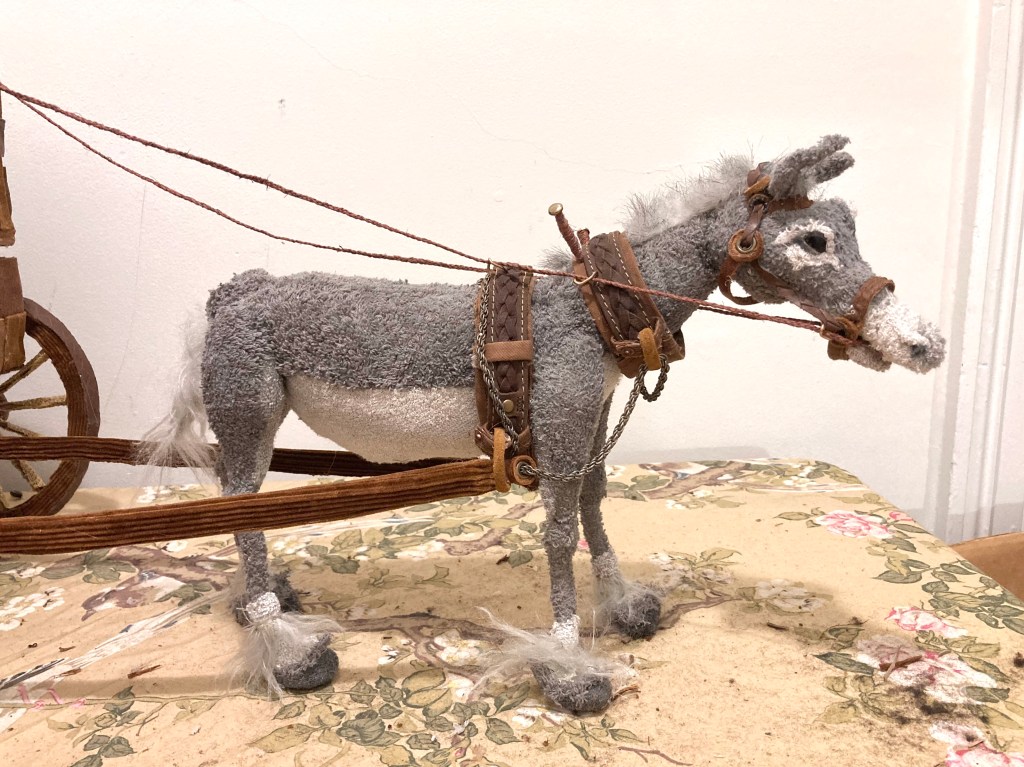
Establishing a signature style, Sloane combines 100% repurposed/upcycled textiles and other discarded material with meticulous craftsmanship in hand sewing, custom armatures for subtle joint manipulation and cinematic approaches to 2-D compositions and stationary displays. But the ties that bind it all are intention and story, alongside the ever nuanced art of representation.
*Note: this page is currently underway; updates and additional content to come.
Nothing Special:
Weaving history into the backdrop
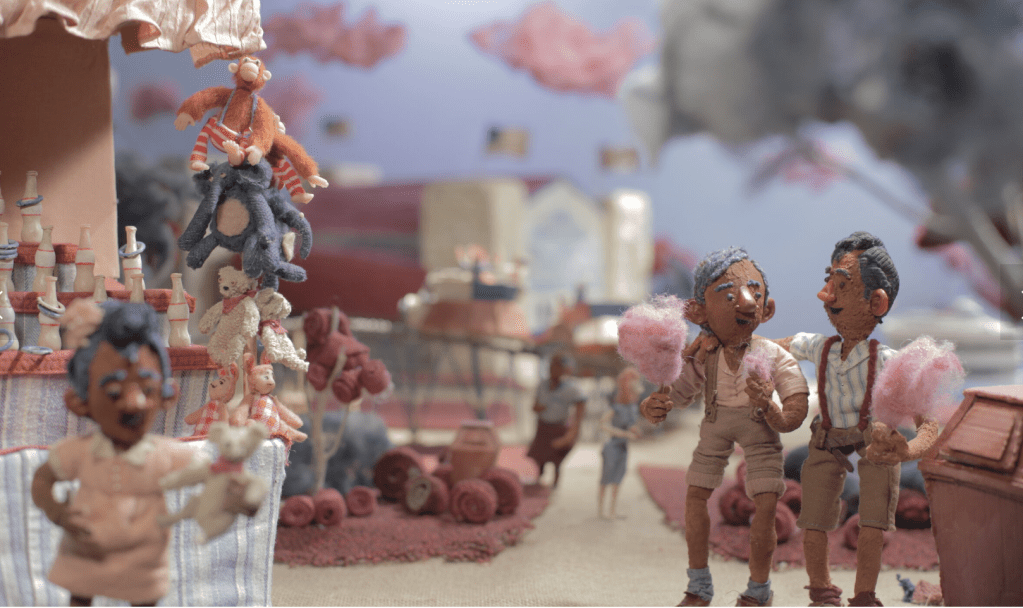
This collaboration is the shared gift that just keeps on giving between Sloane, as illustrator, and author, Desiree Cooper. The two connected on a documentary piece about civil rights pioneer, Sarah Elizabeth Ray, on which Sloane depicted historical sequences and Cooper, a Pulitzer-nominated journalist, author and activist, was interviewed about Ms. Ray’s story and significance.
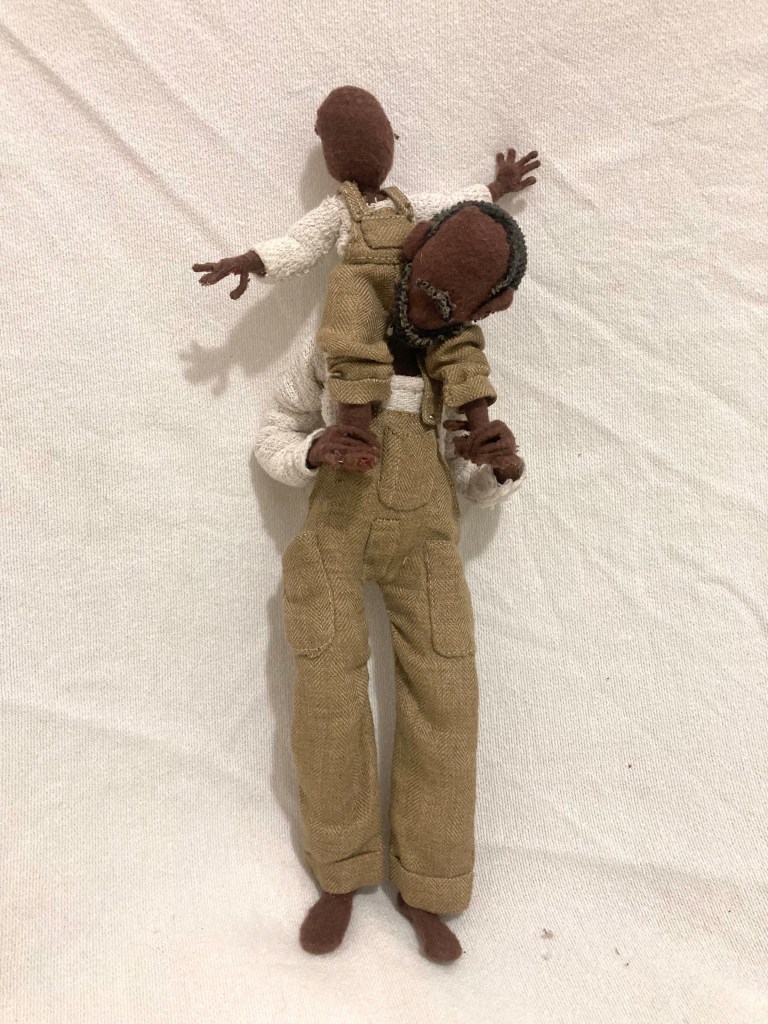
On the surface, Nothing Special is a book about a city boy visiting his elders in the South, about a cross-generational bond, about the simple wonder of discovering old pastimes anew. Between the lines and stitches: an undercurrent alluding to the Great Migration, and an arc that depicts the collective joy to be found in what has come to be known as a “reverse” migration, with Black families reconnecting with their roots.
Nothing Special earned a starred review by Booklist and was the recipient of the 2023 Paterson Prize for Books for Young People, 2023 Independent Publisher Book Award and finalist for Next Generation Indie Book Award. It sat happily among New York Public Library’s Top 10 Children’s Books of 2022.
Sarah Elizabeth Ray:
Bringing hidden figures to life
The Sarah Elizabeth Ray project was born of a full length, live-action documentary about the ferry boats that shuttled passengers to and from the Boblo Island amusement park, nestled between Detroit, MI, and the Canadian border. While the main feature was nostalgia around Boblo Island and the restoration of its ferry boat, the S.S. Columbia, director Aaron Schillinger chose to incorporate the story of a lesser known civil rights figure of the 1940s who has been likened to Rosa Parks. A young Sarah E. Ray was denied passage on the S.S. Columbia out of racial discrimination, and was ultimately represented by Thurgood Marshall in a Supreme Court ruling against the Boblo company, leading to an eventual desegregation among the park’s patrons.
Sloane created a 10×10 foot depiction of 1940’s Detroit, a 4-foot model of the S.S. Columbia and characters to represent those parts of Sarah’s story for which we have neither photographic nor testimonial documentation of. All scenic elements produced employed repurposed textiles and recycled cardboard.



Fibershed:
Bringing it all full circle
Embracing a life linked directly to land and community, Sloane relocated to a more rural setting where she has deepened her relationship with material, foodways and craft. Looking connect with the local fiber farming and artisan community, she found immense inspiration and sense of place among NJ Fibershed leader, Anne Choi (Middle Brook Fiberworks), and others drawn to learning the origins and journeys of the materials, tones and textures we celebrate.
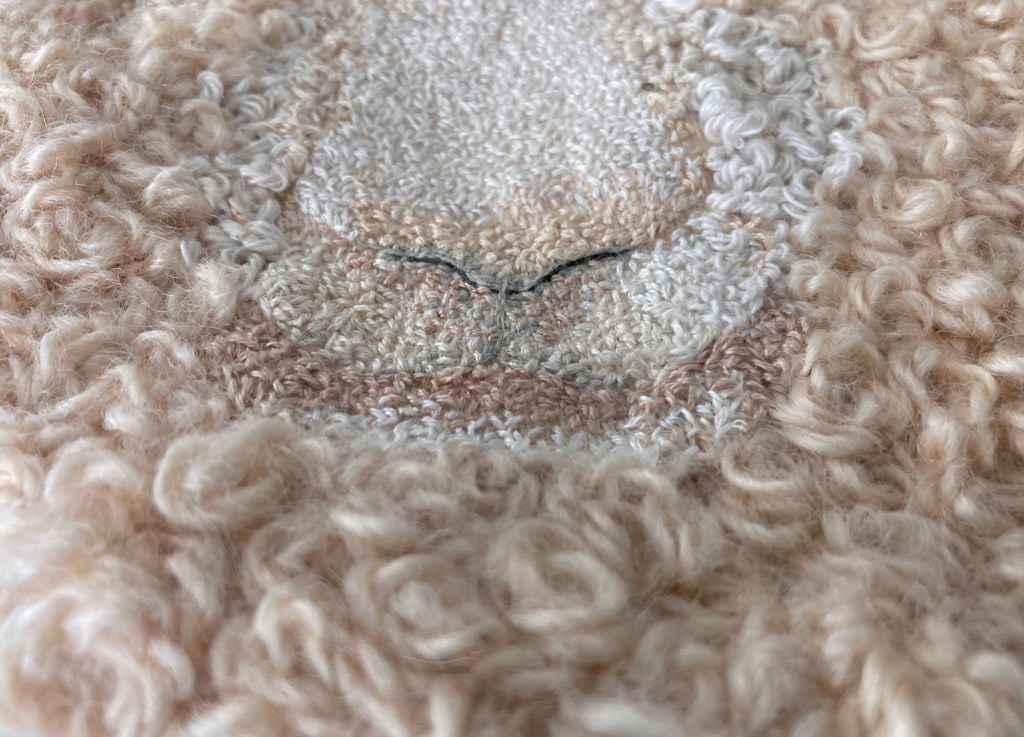
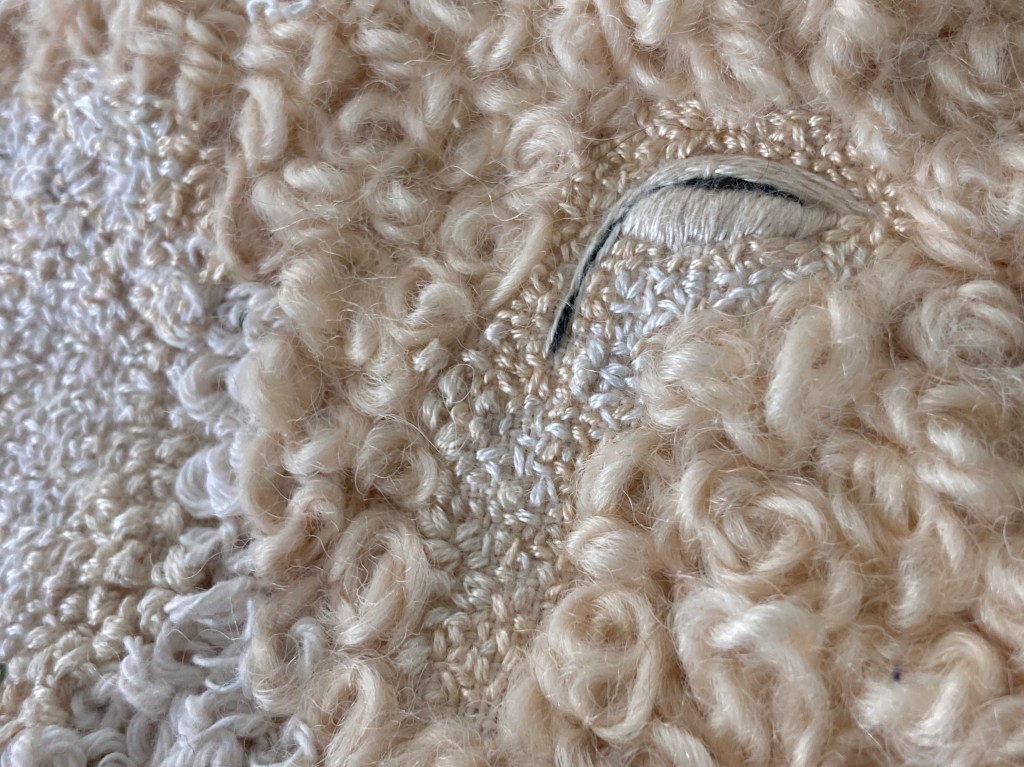
Currently taking part in NJ Fibershed‘s breed study series featuring Romney sheep, Sloane is producing work that incorporates fleece, roving and yarn spun from fiber farmer neighbors, their flocks and her own hands. Over the coming weeks, that work will be shared here alongside that of other local artisans.


The Girl Picking Cotton:
Expanding upon depictions of past & present
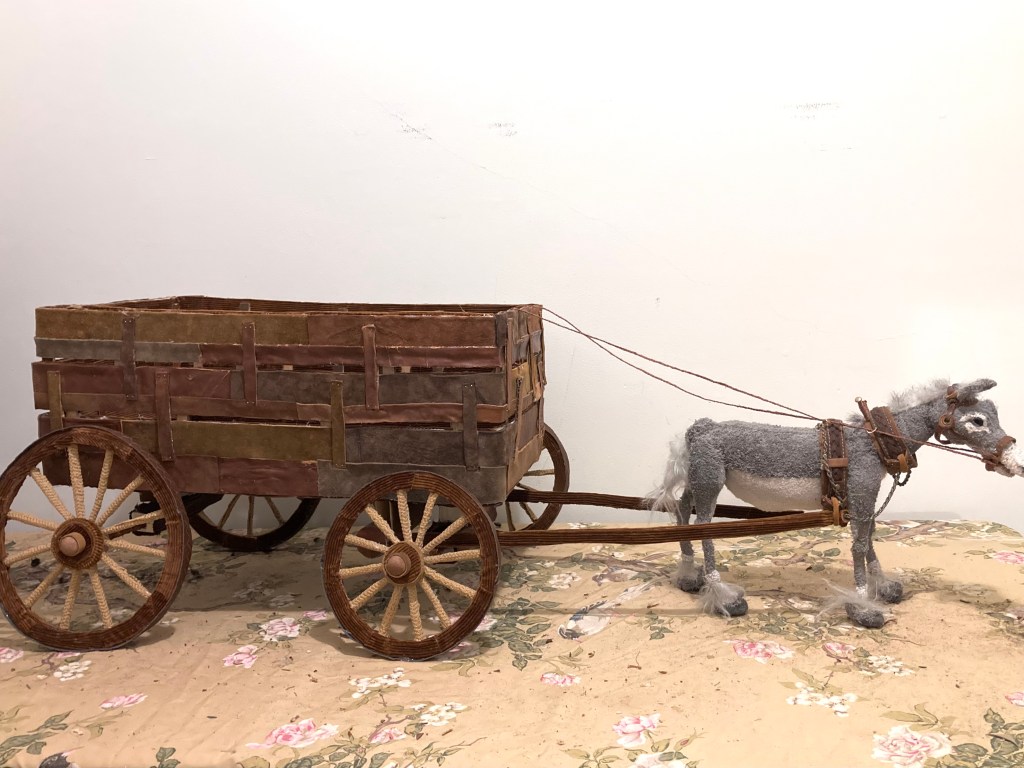
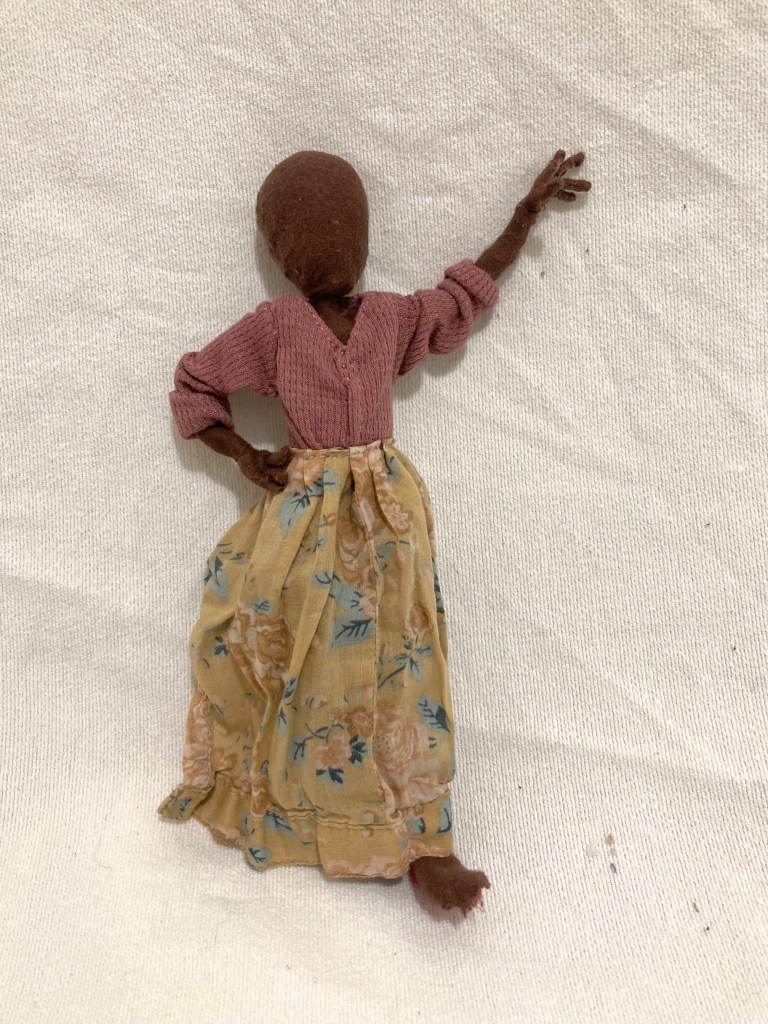
This forthcoming collaboration illustrates the real life history of a formerly-enslaved Black family’s ownership of- and pride in their land and their cotton crop. Their story will unfold via tactile illustration by Sloane with words and context by Detroit-based elementary school educator, Antoinette Durden.
Told through the eyes of Durden’s grandmother as a six-year-old girl, the emphasis is on the natural beauty she saw in the cotton and determination to earn her own cotton sack like that of her older siblings. The story offers a seemingly contradictory history of cotton in the U.S. that questions how the general public associates African Americans and cotton, both historically and in the present day.


An Overture at Lincoln Center
Alongside co-director and frequent collaborator, cinematographer Taylor Stanton*, Sloane was awarded a generous grant in 2016 after participating in a Symphonic Storyboards opportunity led by Philharmonia Orchestra of New York. Grant recipients were supplied with pre-production funding to illustrate one of three proposed overtures by Richard Wagner to be screened at Lincoln Center with the live accompaniment of a full orchestra.
Building off a treatment conceived by Stanton, Sloane designed the production and fabrication of An Overture to the Flying Dutchman comprising entirely upcycled textiles and other reimagined material – including (another) 4-foot model ship. The scenic elements were featured on a display at Jazz at Lincoln Center, where audience member and press were invited to learn about the materials involved following the screenings.
*who, it’s worth noting, is responsible for the beautiful lighting and photography of a film involving sheep. (see website)
Images to come.
 Bothered Earth